How Long Do Solar Panels Last? Degradation, Lifespan and Recycling

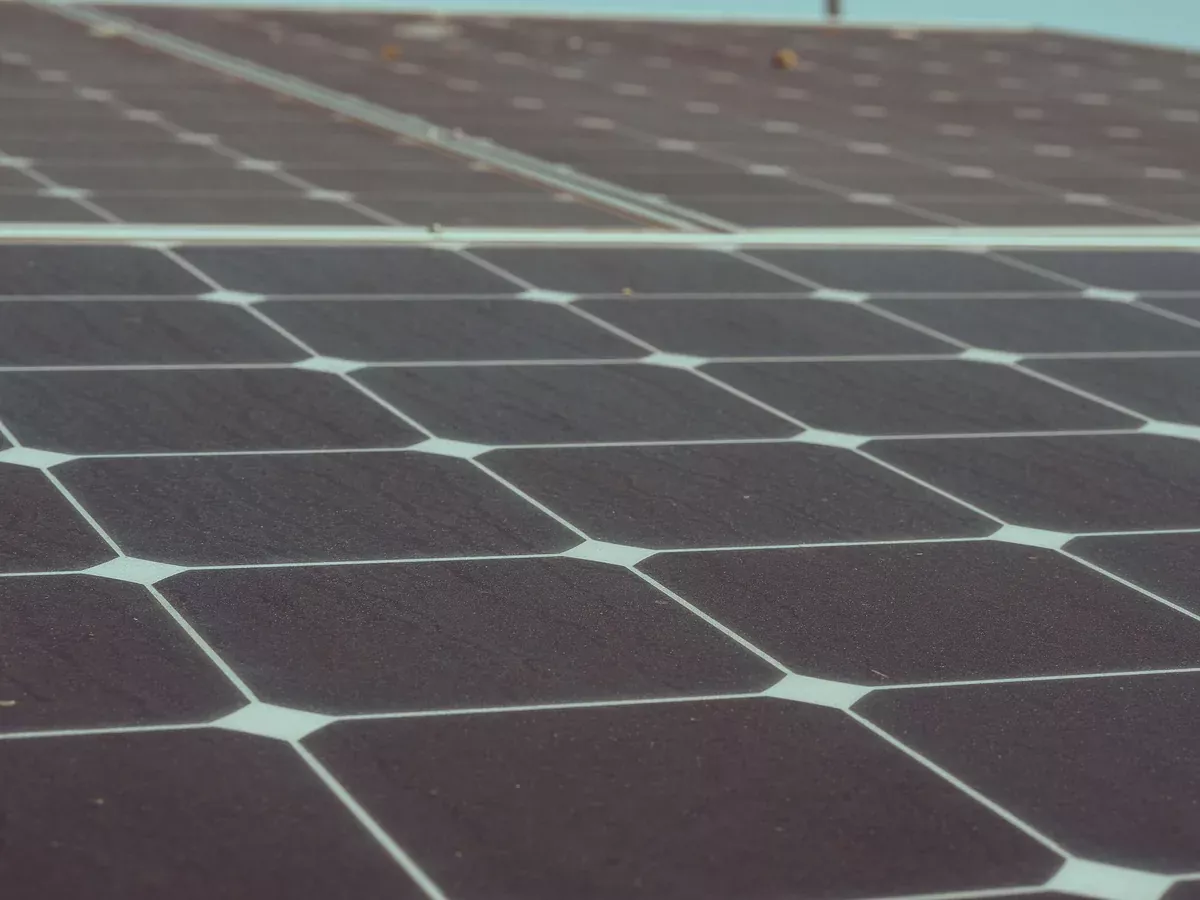
Close-up of crystalline solar panel cells showing long-lasting construction

Solar panels have no moving parts, which is a big reason they last so long. But “how long” is not a single number. Panels slowly lose output, inverters wear out sooner, and eventually every panel has to be retired and, ideally, recycled. This guide explains what the research says about lifespan and degradation, what speeds up wear in Perth conditions, and what happens at end of life.
~0.5%median yearly output loss for crystalline panels (NREL review)
25 – 30 yrstypical performance warranty term on quality panels
-0.4%/°Ctypical output loss per degree of heat for silicon panels (CSIRO)
~76%share of a typical silicon panel’s weight that is glass (IRENA/IEA-PVPS)
Close-up of crystalline solar panel cells showing long-lasting construction
Most panel ageing happens slowly and invisibly inside the cells and laminate.

How long do solar panels last?

Quality crystalline silicon panels are built to keep producing useful power for decades. Their performance warranties, which commonly run 25 to 30 years, are a good guide to the minimum expected service life. Many panels keep working beyond that point, just at a lower output than when new.

It helps to separate three ideas: warranty life (what the manufacturer guarantees), useful life (how long the panel produces enough power to be worth keeping) and economic life (when replacing it with newer, more efficient panels makes more financial sense). A panel can be well within its useful life and still be worth upgrading if your roof space is limited.

Key idea

A panel does not usually “die” at year 25. It keeps producing, but at a lower level. What usually forces change earlier is an inverter failure, roof work, storm damage or a decision to upgrade.

When does upgrading make sense?

Owners of older, smaller systems often upgrade not because the panels have failed but because their household needs have grown, for example after adding air conditioning, a pool or an electric vehicle. Modern panels produce more power from the same roof area, so replacing a small early system can lift output significantly. Before deciding, compare the cost of an upgrade with the remaining value of the old system and any changes to your buyback arrangements, since upgrading can affect which export scheme you are on.

Understanding solar panel degradation

Degradation is the gradual loss of output as a panel ages. The most widely cited study, an NREL review of around 2,000 measured degradation rates published by Jordan and Kurtz, found a median rate of about 0.5% per year for crystalline silicon panels, with the mean a little higher because some systems in harsh climates degraded faster.

There is also a one-off drop in the first months of operation, known as light-induced degradation, which is why performance warranties often allow a slightly larger loss in year one than in later years.

Illustrative compounding decline from rated output. Actual results depend on panel quality, climate and installation.
Years in serviceAt 0.5% per yearAt 0.8% per yearWhat a 6.6 kW array behaves like at 0.5%
0100%100%6.6 kW
1095.1%92.3%about 6.3 kW
2090.5%85.2%about 6.0 kW
2588.2%81.8%about 5.8 kW
3086.0%78.6%about 5.7 kW

Common degradation mechanisms

  • Micro-cracks in the thin silicon cells, often caused during transport, installation or by people stepping on panels. CSIRO notes these cannot be seen with the naked eye.
  • Thermal cycling as panels heat up by day and cool at night, stressing solder joints.
  • UV exposure that slowly yellows or weakens encapsulants and backsheets.
  • Moisture ingress through damaged seals, which can corrode cell connections.
  • Potential induced degradation (PID), a voltage-related effect that better-quality panels are designed to resist.
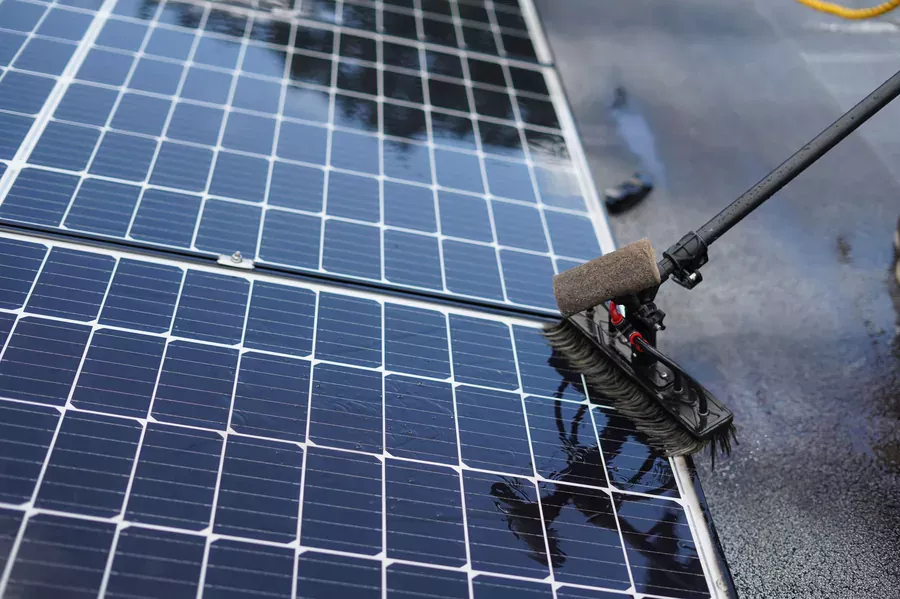
Technician cleaning solar panels to reduce soiling and maintain output
Soiling is not degradation, but it can look like it in your monitoring data.

What wears panels faster in Perth

Perth’s climate is excellent for generating solar power, but it is also tough on equipment. Long, hot summers, strong UV and coastal salt all play a part.

Factors drawn from CSIRO guidance on optimising solar PV performance.
FactorEffectWhat helps
HeatSilicon panels lose about 0.4% of output per °C of cell temperature (CSIRO), and long-term heat stress speeds up ageingLeave an air gap under panels, avoid blocking airflow, and choose panels with a lower temperature coefficient
Strong UVGradual wear on encapsulants and backsheetsQuality panels with proven materials and long warranties
Coastal saltCorrosion of frames, rails and connectorsSalt-mist rated panels and corrosion-resistant mounting near the ocean
Dust and bird droppingsShading of cells, which can create hot spots and reduce outputPeriodic inspection and cleaning when needed
Storms and hailPhysical damage and crackingCorrect installation to wind ratings and home insurance cover

CSIRO also points out that rain is reasonably effective at cleaning panels tilted above about 5°, but less so for bird and bat droppings. Large droppings left on a panel can, in principle, shorten its life by causing localised overheating. If your monitoring shows a dip, a professional solar panel cleaning service in Perth is a simple first step.

Lifespan of the rest of the system

The panels are usually the longest-lived part of a solar system. The other components tend to need attention sooner.

ComponentWhat usually limits its lifePlanning tip
PanelsGradual degradation, physical damageExpect decades of service; monitor output yearly
String inverterElectronic component wear, heatBudget for at least one replacement over the system’s life
Microinverters and optimisersElectronics on the roof exposed to heatOften carry longer warranties; check claim terms
BatteryCharge cycles and calendar ageingCheck the guaranteed retained capacity at end of warranty
Racking, cabling and isolatorsCorrosion, UV damage to cable and sealsInclude in periodic safety inspections

CSIRO notes that inverters cause nearly half of all solar system failures. Batteries also lose usable capacity over time, as we explain in our article on solar battery performance reduction.

How to extend your solar system’s life

  1. Start with quality. Well-known panel and inverter brands with local support are more likely to last, and to honour warranties if they do not.
  2. Insist on good installation. Careful handling avoids micro-cracks, and correct cable management prevents water and UV damage.
  3. Watch your monitoring. Compare output with the same month last year. A sudden drop usually means a fault, shading or soiling rather than normal ageing.
  4. Keep panels clean when dust or droppings build up, using safe methods and no harsh chemicals or high-pressure jets.
  5. Schedule periodic inspections of isolators, cabling and mounting, especially near the coast.
  6. Keep trees trimmed so new growth does not shade the array.
Myth check

Panels do not need constant cleaning or expensive servicing to last. Over-cleaning with the wrong tools can scratch glass and void warranties. See more in 4 myths about solar that could be costing you money.

End of life: what happens to old solar panels?

Solar panel waste is a growing issue worldwide. The 2016 IRENA and IEA-PVPS report on end-of-life management projected cumulative global panel waste of around 60 to 78 million tonnes by 2050. The good news is that panels are mostly recoverable materials. In that report, a typical crystalline silicon panel was about 76% glass by weight, with the rest made up mainly of the aluminium frame, polymers, silicon and small amounts of copper and silver.
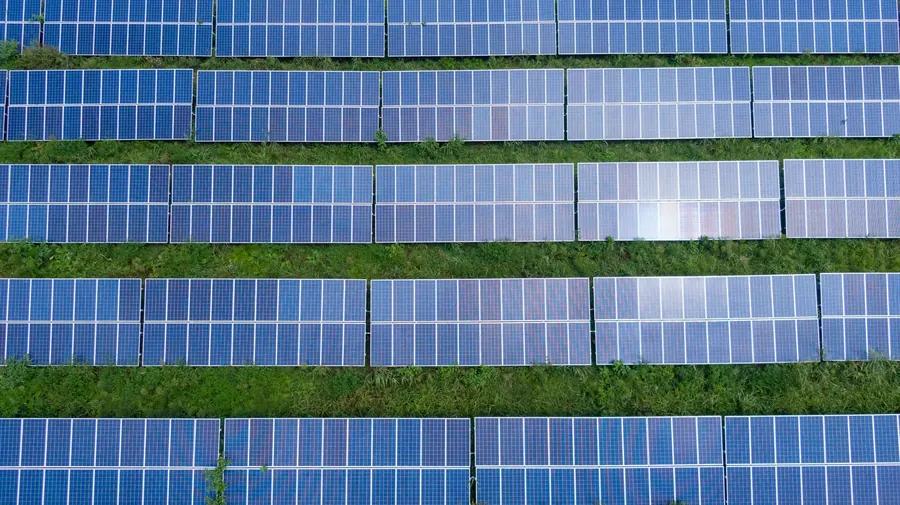
Rows of ageing solar panels that will eventually be recycled at end of life
Glass, aluminium and silicon from old panels can be recovered for reuse.

Recycling options in Australia

Australia has a growing number of specialist recyclers that separate glass, aluminium, copper and silicon. Some states treat panels as e-waste: Victoria, for example, has banned e-waste including solar panels from landfill since July 2019. Rules and services differ across the country, so check with your local council or ask your installer how old panels will be handled if you upgrade.

Before you replace working panels

Old panels that still work can sometimes be reused on a shed, caravan or off-grid project, which keeps them out of the waste stream for longer. Ask your installer to test them before removal.

A well-maintained system also adds appeal when you sell, as covered in our article on how solar panels affect home value.

Frequently asked questions

How long do solar panels last in Perth?

Quality panels typically carry 25 to 30 year performance warranties and often keep producing beyond that, at gradually lower output.

How much output do panels lose each year?

An NREL review found a median of about 0.5% per year for crystalline silicon panels. Your panel’s datasheet lists its guaranteed rate.

Is my system degrading or just dirty?

Normal degradation is slow and steady. A sudden drop is more likely soiling, shading or a fault. Compare with the same month last year and check the inverter for errors.

Will my inverter last as long as my panels?

Usually not. Inverters have shorter warranties and are the most common cause of system faults, so most owners should expect to replace one.

Can solar panels be recycled?

Yes. Most of a panel’s weight is glass and aluminium, which can be recovered. Specialist recyclers operate in Australia, and rules vary by state.

Is your solar system still performing?

Future Solar WA can check your system’s output, inspect for wear and recommend repairs, cleaning or an upgrade.

Get a free solar quote
Sources
  1. Jordan, D. and Kurtz, S. (NREL) – Photovoltaic Degradation Rates: An Analytical Review, Progress in Photovoltaics (2013) – https://doi.org/10.1002/pip.1182
  2. CSIRO – Solar photovoltaics: optimising performance – https://research.csiro.au/infratech/wp-content/uploads/sites/38/2024/12/4393_SolarPhotovoltaicsoptimisingperformance_WCAG.pdf
  3. IRENA and IEA-PVPS – End-of-Life Management: Solar Photovoltaic Panels (2016) – https://iea-pvps.org/wp-content/uploads/2020/01/IRENA_IEAPVPS_End-of-Life_Solar_PV_Panels_2016.pdf
  4. Solar Victoria – How to manage end-of-life solar PV – https://www.solar.vic.gov.au/manage-end-life-solar-pv
Solar Panel Warranties Explained: Product, Performance and Installer

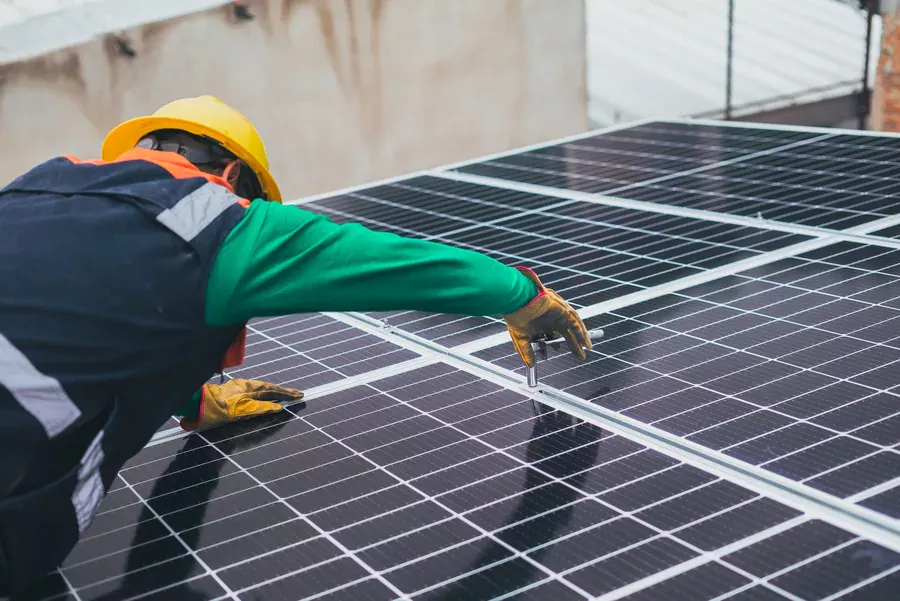
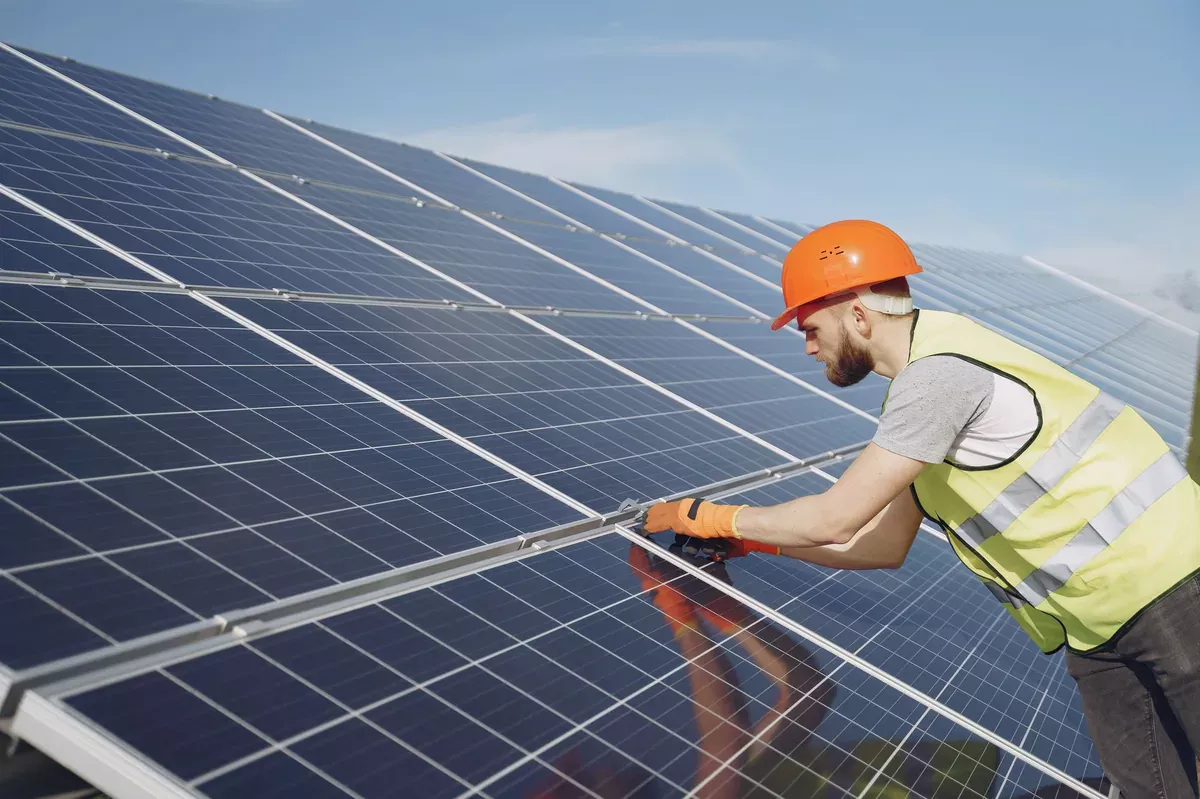
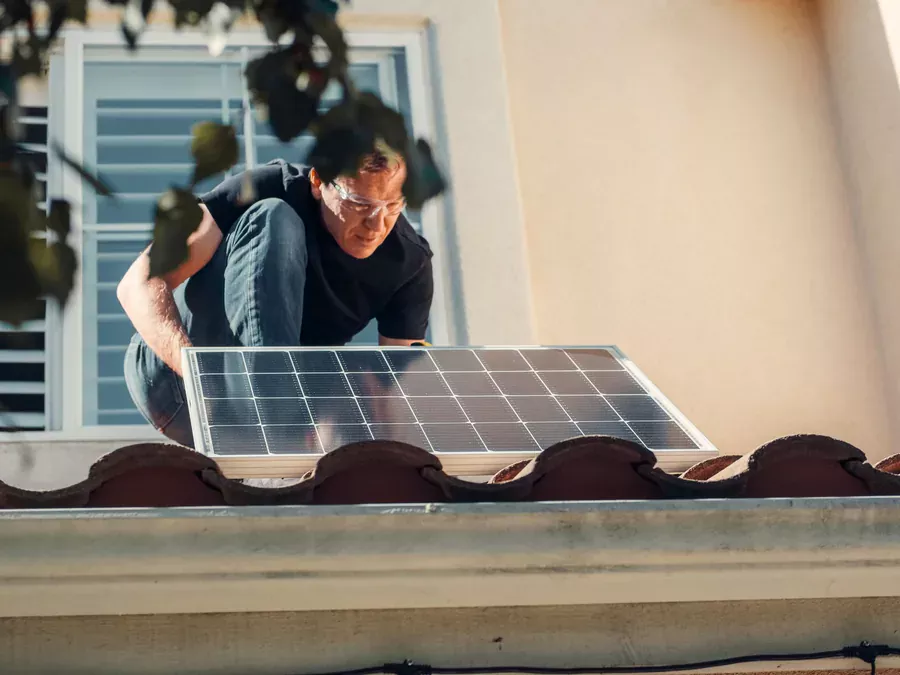
Solar technician installing panels on a Perth roof covered by installer warranty

A solar system is a 20 to 30 year purchase, yet many buyers spend more time comparing panel brands than reading the warranties behind them. A solar quote usually comes with at least three separate warranties, each covering something different and each backed by a different business. Here is how they work, what they really cover and how to protect yourself.

3separate warranties in most solar quotes: product, performance and installer
~0.5%median yearly output loss for panels in a major NREL review
~50%share of system failures caused by inverters (CSIRO)
ACLAustralian Consumer Law guarantees apply on top of any warranty
Solar technician installing panels on a Perth roof covered by installer warranty
Good workmanship is covered by a separate warranty from the panels themselves.

The three solar warranties at a glance

Think of each warranty as answering a different question. Is the hardware free of defects? Will it keep producing power at the promised level? Was it installed properly? The table below summarises the differences.

*Ranges reflect common terms on manufacturer datasheets and warranty documents. Always read the specific document for your products.
WarrantyWhat it coversWho backs itTypical length*
Product (materials and workmanship)Manufacturing defects in the panel: delamination, faulty junction boxes, frame or glass defectsPanel manufacturerCommonly 10 – 25 years
Performance (power output)Output falling below a guaranteed percentage of rated power over timePanel manufacturerCommonly 25 – 30 years
Installer (workmanship)Faults caused by the installation: roof leaks, loose wiring, poor mountingSolar retailer or installerVaries by business; get it in writing
InverterDefects and failure of the inverterInverter manufacturerCommonly 5 – 12 years, often extendable
Key idea

A 30-year panel warranty is only as good as the company behind it. A warranty from a manufacturer with no Australian presence can be very hard to claim on, no matter how long it is.

Product warranty: covering defects

The product warranty is the manufacturer’s promise that the panel is free of defects in materials and manufacturing. It is the warranty you actually lean on if a panel physically fails, for example if the backsheet cracks, the frame corrodes, water gets into the junction box or bypass diodes fail.

What it usually does not cover is just as important. Damage from storms, hail beyond the panel’s tested rating, falling branches, pests, poor installation or someone walking on the panels generally falls outside the product warranty. Those risks belong to your home insurance or the installer’s workmanship warranty.

Check the fine print for

  • Labour and freight. Some warranties replace the panel but leave you to pay for removal, transport and reinstallation, which can cost more than the panel itself.
  • Australian contact details. Look for a local office or registered representative.
  • Installation conditions. Some warranties require installation by an accredited installer to the manufacturer’s instructions, and may exclude coastal sites very close to the ocean unless the panel is salt-mist rated.
  • Transferability. Check whether the warranty passes to a new owner if you sell your home.

Performance warranty: guaranteed output over time

All panels slowly lose output as they age. The performance warranty sets a floor on that decline. A typical document guarantees a slightly lower output after the first year (to allow for initial light-induced degradation), then a small linear decline each year to a stated percentage at year 25 or 30.

For context, a widely cited review by the US National Renewable Energy Laboratory (NREL) of around 2,000 degradation measurements found a median loss of about 0.5% per year for crystalline silicon panels. Modern performance warranties are generally built around similar or lower rates.

Illustrative compounding decline from 100% rated output. Your warranty document states the exact guaranteed figures.
YearOutput at 0.5% per yearOutput at 0.8% per year
199.5%99.2%
1095.1%92.3%
2090.5%85.2%
2588.2%81.8%
3086.0%78.6%

Claiming under a performance warranty is harder than claiming for a visible defect. You usually need independent test results, measured under standard test conditions, showing the panel is below the guaranteed level. Inverter monitoring data is a useful early warning, but the manufacturer will normally ask for formal testing. That is why the performance warranty matters mostly as a signal of quality and confidence, while the product warranty does the heavy lifting in real-world claims.

Installer fitting a solar panel to rails on a residential roof
The installer warranty covers the mounting, wiring and roof penetrations.

Installer (workmanship) warranty

The installer or workmanship warranty covers problems caused by how the system was put in. That includes roof leaks around penetrations, damaged tiles, loose rails, poorly made cable connections, water getting into isolators and conduits, and incorrect settings. Because it is offered by the business you buy from, its value depends entirely on that business still trading when you need it.

When comparing quotes, ask how long the workmanship warranty lasts, whether it covers call-out and labour, and who handles manufacturer claims on your behalf. Read the contract terms carefully. Our solar contract terms and conditions show the kind of detail you should expect in writing, and our complaint handling procedure sets out how issues are resolved.

Accreditation check

Check that your installer is accredited with Solar Accreditation Australia (SAA) and holds a current electrical contractor licence. energy.gov.au notes that accreditation belongs to the individual, so you can ask to see the installer’s digital ID on the day.

Inverter, battery and racking warranties

CSIRO notes that inverters, which contain hundreds of components, are responsible for nearly half of all solar system failures. Inverter warranties are much shorter than panel warranties, so it is normal to replace an inverter at least once over a system’s life. Many brands offer optional extensions, and some module-level products such as microinverters and optimisers carry longer warranties. Learn more on our solar inverter page.

Batteries usually carry a warranty defined by years and by energy throughput or retained capacity, whichever comes first. Mounting systems and rails have their own warranties too, which matter in coastal and high-wind areas.

ComponentWhat the warranty is usually measured inQuestions to ask
PanelsYears for defects, percentage of output for performanceIs labour included? Is there an Australian office?
InverterYears, sometimes extendableWho swaps the unit if it fails? Is there a loan unit?
BatteryYears and throughput or retained capacityWhat capacity is guaranteed at the end of the term?
Racking and railsYears, subject to installation conditionsIs it rated for coastal or high wind sites?
WorkmanshipYears, set by the installerIs call-out included? What if the business closes?

Your rights under Australian Consumer Law

Manufacturer and installer warranties sit on top of your rights under the Australian Consumer Law (ACL). The ACCC explains that products and services come with automatic consumer guarantees, including that goods are of acceptable quality and that services are provided with due care and skill. These guarantees cannot be excluded by a contract and can apply even after a written warranty has expired, depending on what a reasonable consumer would expect from a product of that type and price.

Watch out

Be wary of very long warranties on unknown brands or quotes that bundle a “lifetime” warranty with high-pressure sales tactics. The real test is whether the company will still be around and willing to honour it.

How to make a warranty claim

  1. Keep your paperwork. Store the contract, invoice, panel and inverter serial numbers, warranty documents and the installer’s compliance certificate in one place.
  2. Record the problem. Take photos, note inverter error codes and export monitoring data.
  3. Contact your installer first. They are usually best placed to diagnose the fault and lodge the manufacturer claim.
  4. Escalate in writing if the installer cannot help, contacting the manufacturer’s Australian office directly.
  5. Get help if needed. Consumer Protection WA can assist with unresolved disputes.

Choosing the right company up front saves most of this effort. See what to look for in our guide to the best solar panel company in Perth.

Solar installation team working on panels covered by product and performance warranties
Warranties protect you only if you keep records and the companies behind them stay in business.

Frequently asked questions

What is the difference between a product and a performance warranty?

The product warranty covers defects in the panel itself. The performance warranty guarantees the panel will still produce a minimum percentage of its rated power after a set number of years.

Does a solar warranty cover hail or storm damage?

Usually not. Weather damage is normally a home insurance matter. Tell your insurer when you install solar so the system is listed on your policy.

Do warranties transfer when I sell my house?

Many manufacturer warranties do, but terms vary. Check the warranty documents and keep them with your property records for the buyer.

How long should an inverter last?

Inverter warranties are much shorter than panel warranties, so most owners should budget for at least one inverter replacement over a system’s life.

What if my installer goes out of business?

You can still claim directly with the panel and inverter manufacturers, which is why a local manufacturer presence is valuable. Your ACL rights may also apply.

Want a system backed by warranties that mean something?

Future Solar WA uses quality, well-supported brands and explains every warranty in plain English before you sign.

Get a free solar quote
Sources
  1. CSIRO – Solar photovoltaics: optimising performance – https://research.csiro.au/infratech/wp-content/uploads/sites/38/2024/12/4393_SolarPhotovoltaicsoptimisingperformance_WCAG.pdf
  2. Jordan, D. and Kurtz, S. (NREL) – Photovoltaic Degradation Rates: An Analytical Review, Progress in Photovoltaics (2013) – https://doi.org/10.1002/pip.1182
  3. ACCC – Consumer guarantees – https://www.accc.gov.au/consumers/buying-products-and-services/consumer-rights-and-guarantees
  4. energy.gov.au – Installation day and after – https://www.energy.gov.au/solar/solar-retailers-and-installation/installation-day-and-after
  5. Consumer Protection WA – https://www.commerce.wa.gov.au/consumer-protection

5kW Solar Power System

5kW Solar Power System: Nowadays more and more homeowners are opting to buy larger 5kw systems then 1kw, 2kw, and 3kw. This is also because a 5 kW solar system is also the minimum 5kW solar panel size you need to consider if you want to add solar batteries to your system in the future and it can cut your electricity bills by up to 70%. The solar panel size for 5kW must easily offset the power consumption of typical Australian homes.

5kW Solar Panel System Cost in Perth WA in 2026

For a good quality solar system, average solar 5kw solar system prices are between $2500 – $8000 in year 2026. A 5kw system will have 15 -18 panels depending on the size of the panel. If you are installing 275w panels then you will have 18 panels and if 330w panels then 15 panels.

The financial returns on a 5kw system are a bit complex to estimate. Some of the factors that affect this are:

Availability of Feed-in tariff

Quality of inverter and panels being installed

Consumption ratio of the energy produced by the solar. This can be as high as 70% or as low as 30%. It does depend on your usage.

Geographical location of the system and the expected daily and annual solar irradiation and cloud cover

(data source: https://www.solarchoice.net.au/blog/5kw-solar-system-price-output-return/)

If you want to buy a photovoltaic system for your home or business, you have to pay attention to a few things. Here is a list of buyers to get you started.

  1. Researching: Ready to make the switch to solar? Before you commit, gather some essential information to ensure you are making the right choice. Start by reviewing your electricity bills to understand your current usage patterns. Next, determine which system size and brand best suits your needs, compare reputable installers, and calculate your expected payback period. Taking time to research upfront will help you avoid costly mistakes and secure a solar investment that delivers real value and long-term satisfaction.
  2. Solar Retailer: There are many companies in the market and we know it can get very confusing and daunting to find out the information. Some important points that your solar retailer should tell you are.
  • Based on your current usage, your requirement of a solar system ( in kilowatts)
  • Government incentives and how they work
  • Information about the solar inverters in Perth WA, panels and other-components that make up the solar pv system.
  • Warranties
  • Feed-intariff and how they work
  • Retailer’ information

3. Post Installation: your retailer will provide you with all the post installation details of your system. This will include all the information about the products, warranties, and post-installation service and maintenance of your system.(To know more read: solar https://assets.cleanenergycouncil.org.au/documents/consumers/solar-guide-for-consumers.pdf)

Why Choose Future Solar WA for 5kW Solar Panels in Perth, Western Australia?

At Future Solar WA, we are dedicated to making alternative energy more accessible and affordable for Western Australians. We offer simple, affordable, and reliable solar systems tailored to your needs.

Whether you are a homeowner looking to combat rising energy costs and reduce your environmental footprint, or a business owner aiming to make sustainable changes, we’re here to help. Schedule your free solar consultation today!

At Future Solar WA, our team comprises experienced solar experts, designers, and installers with extensive knowledge of Perth’s solar landscape. This expertise allows us to design and install systems tailored to the unique needs of your home or business, ensuring maximum efficiency and savings.

Our mission is to assist both residential and commercial clients with solar installations, helping to significantly reduce electricity bills. Partner with us for a sustainable and cost-effective energy future.

2026 Discount Offers Available!

5kw Solar Systems/ Panels Frequently Asked Questions (FAQ’s)

1. How much does a 5kw solar panel price in Year 2026?

In 2026, a high-quality 5 kW residential solar panel system can cost anywhere between $2500 to $8000. While there are cheaper options available, it is important to keep in mind that the quality of the system is often reflected in the price. Opting for a solar photovoltaic system within this price range can ensure its durability and longevity.

When making your purchase, it is also essential to consider the warranty protection provided. In the event of unforeseen circumstances, having a comprehensive warranty can provide peace of mind and maximize your investment in solar energy.

2. How Many Panels Does a 5kw Solar Panel Kit Have?

If we consider 275 standard modules, a 5 kW solar system is made up of 18 PV solar modules. However, by using a Sun Power panel with 327 W, the number of panels required can be reduced to 15.

3. Is 5kw Solar Panel Sufficient For Producing Electricity For a Household?

If you have a medium to large household with high electricity consumption, the 5 kW solar power system is an ideal choice. It is especially suitable for those with a growing family, or those who use air conditioners, pools, and other amenities that require a significant amount of energy.

4. How Much Electricity Can You Save Using a 5kw Solar Panel?

The 5 kW solar system is one of the most powerful systems available, and it can lead to savings of up to $350 per cycle on your electricity bill. While actual savings may vary, typically falling within the range of $180 to $300 per cycle, these savings are still significant enough to cover the total household energy consumption.

(Data Source: https://www.solarchoice.net.au/blog/5kw-solar-system-price-output-return/)

5. What is the Return on Investment For a 5kw Solar Panel System in Perth WA?

Investing in a high-end, quality solar system for your home can enable your 5 kW solar system to pay for itself within just 5 years. Additionally, solar energy offers direct savings on your electricity bills, allowing you to save real money from the very first day of use. However, the amount of savings you can achieve through your solar system will depend on your electricity consumption patterns and usage habits.

To maximize your savings, it is recommended that you utilize the majority of the sun’s energy during the daytime hours. This is because the amount of money you receive for feeding energy back into the grid is significantly lower than the amount you pay for purchasing electricity from the network.

3kW Solar Power System

3kW Solar Power System: Choosing the right solar system starts with understanding your energy consumption. Our solar experts design systems specifically matched to your household usage patterns and roof space. While we will recommend the optimal system size for your needs, your roof’s available area will determine the maximum capacity you can install.

A 3kW solar panel system needs a minimum roof area of approximately 21 square meters. The ideal installation location is a roof section facing a specific direction, which will influence the number of panels that can be installed.

3kW Solar Power System Price in Perth WA in 2026

With the price of electricity and the cost of living, there has never been a better time for solar energy. Reliable and cost-effective 3 kW solar systems are ideal for small power usage families. In photovoltaic solar systems, quality is closely related to price.

High quality 3kW residential solar panel systems cost between 2000 and 6000 dollars in 2026. You will find cheaper options but you get what you pay for.  You also want to be protected when an error occurs. Therefore, the system must offer you a guarantee. All of our 3 kW systems come with a full warranty and Australian support – perfect protection for long-term investment.  

(Data Source: https://assets.cleanenergycouncil.org.au/documents/consumers/solar-guide-for-consumers.pdf)

3kW Solar PV System Installation and Repair Services in Perth, WA

In order to maximize the performance and return on investment of your solar system, it is advisable to consult with solar experts and designers to receive recommendations on the ideal size of the system that will meet your specific needs. Nevertheless, the ultimate decision on the system’s size is entirely up to you. Other important factors to consider when making this decision include the size of your roof and your available budget.

Selecting the appropriate solar panel installer should be a top priority. It is crucial to engage a skilled and reliable solar installer who can guarantee that the solar system installed on your roof is the most suitable one for your specific needs. At Future Solar WA, we are committed to providing you with a seamless and stress-free experience.

If you have made the decision to invest in solar, our team of solar experts will customize a system based on your specific requirements and guide you through the entire process, addressing any queries you may have. The cost of solar panels varies based on factors such as size, efficiency, and quality. It is worth investing in high-quality Solar inverters, as they can provide better value in the long run. Therefore, it is crucial to choose a reliable and efficient inverter.

3kW Solar Panel System FAQs

1. How Much Does a 3kW Solar Panel Cost in Perth WA in 2026?

The 3kW solar system for home is a good solar system for small to medium-sized households. 3 kW solar panel prices vary greatly from $2,000 to $6,000 in 2026 but it can save electricity bill to a great extent.

(Data Source: https://assets.cleanenergycouncil.org.au/documents/consumers/solar-guide-for-consumers.pdf)

2. What are the dimensions of an average monocrystalline solar panels for a 3kw system?

Either 275 w or 330w panels with an average panel dimension of 161.7 x 161.7 mm. 

3. What is the power output of a 3KW solar PV system?  

That depends on a number of situational factors such as location, orientation & tilt of the panels, the presence or absence of shading and the overall efficiency of the components in the system are chief among them. a 3KW solar pv sytem in perth will produce and average of 12.6kWh.

(Data Source: https://www.solarchoice.net.au/blog/3kw-solar-pv-systems-pricing-output-and-returns/)

4. Is 3kw Solar Module Better Than 5kW Solar Module?

One of the main reasons why a solar panel size for 3kW is more attractive than a 5 kW solar photovoltaic system is that the 3kW solar system price is almost certainly lower than a simple home in Australia.

5. What is the Average Return on Investment For 3kw Solar Panel in Perth, Western Australia?

If you buy a quality system, your 3kW solar system for a home pays for itself in 3 years, Based on 70% self consumption. This is because, solar energy offers direct payments on reducing electricity bills, you save real money from day one.

(Data Source: https://www.solarchoice.net.au/blog/3kw-solar-pv-systems-pricing-output-and-returns/)

6. Does 3kw Solar Panel Require Battery?

No, we can use the solar module without batteries in our home. In some situations, a backup Solar battery is useful, but this depends on individual circumstances.

ROI for 20kW Solar System

This article explains in detail the RoI for 20KW solar system. This will cover 20KW commercial power system cost including 20KW commercial solar panel price, 20KW commercial solar power system installation and 20KW commercial solar panel repair. Specific advantages of 20kW commercial solar panel in Perth WA will also be covered.

Most of the Australian continent receives more than 4 kWh of potential solar power per square meter per day.  When combined with the dry climate, it is an ideal location to install solar power systems

With Perth, WA receiving exceptional sunshine throughout the year and electricity costs continuing to climb, now is the ideal time to consider solar. Government subsidies and incentives make the switch more accessible than ever. Each day without solar means lost savings.

A 20kW commercial solar system offers compelling ROI potential driven by several key factors. What makes the investment even more attractive is Western Australia renewable energy buyback scheme, which allows you to earn credits for any excess power you feed back into the grid.

Power Generation and Area Required by a 20kW Commercial Solar System

On average, a 20kW Solar System generates 80 to 90 kWh or kilowatt hours per day. In normal terms, this is the unit of electricity which implies a 20kW solar system provides 80 to 90 units per day.

(Data Source:

https://www.mountalexander.vic.gov.au/files/Environment/What_is_a_Typical_Energy_Consumption_Presentation.pdf.)

Referring to this article, it shows four type of households in Australia with different appliances and consumption patterns. If we put aside household type 1 which probably is a low percentage, the others average as follows, household type 2 about 22 units per day, household type 3 about 14 units per day and household type 4 about 7 units per day. One can assess from this that an average household in Australia consumes 16 to 20 units per day. Hence, a small business that would have about 4 to 6 times the daily consumption is recommended a 20kW Commercial Solar System. As a business entity, one can use these parameters to ascertain their requirement. It should also be considered that such a solar system would efficiently work for around 30 years, on normal recommended maintenance.

A 20kW Solar System will require a 100 to 136 square meters area for installation. The type of panel used, angle of tilt for the sun, shade at the site, etc. can be some factors that contribute to the variation.

20KW Commercial Power System Cost

Both off-grid and on-grid solar systems are eligible for incentives and subsidies. On-grid systems typically require solar panels and inverters, along with mounting, racks, and wiring, which are tailored to the available installation area. Off-grid systems, however, also need batteries for energy storage since they operate independently from the main grid.

The cost of the system can be calculated as follows

1. One time installation cost:

  • 20kW commercial solar panel: the number of panels required multiplied by the price
  • Inverter
  • Racks, mounts, wiring, etc.
  • Off-grid equipment, if required
  • Labor cost for installation

2. Finance cost:

  • If financing is done from internal resources there is an opportunity cost of this capital
  • If financing options are being taken, then depending upon the option chosen the cost can be calculated

3. Maintenance cost:

  • Renewable Energy Standards lays down guidelines for maintenance. It is recommended to follow the guidelines. A well-maintained system will be more effective and last longer. It improves the Return on Investment and is money well spent.

4. Warranties:

  • Check out the warranties of the components and the obligations of the installer. Buying from a certified installer would make you eligible to get the warranties.
  • Further, there are exclusions based on weather, non-compliant installation practices, non-compliant repairs, moving the installation without the knowledge of the installer, mishandling, and breakages in transport. To overcome this, one can opt for insurance or work out a methodology when finalizing the contract with the installer.

5. Repairs:

  • Higher quality components, certified installations and maintenance practices help in getting proper customer support when required and servicing of warranties. This reduces repair costs substantially.
  • On the other hand, if a conscious decision to save some costs initially is taken, then one must be prepared to spend more on repairs and replacement to keep the system effective and long lasting.

6. Subsidies and Incentives:

  • You should be aware of the subsidies and incentives that the Government is providing in your area.
  • Being aware is the first step to matching the information that your installer would give you.
  • These subsidies and incentives will be factored into the final cost that you would pay for the installation.

20KW Commercial Solar Power System Savings

There are two scenarios here that one needs to understand

1. Consumption is more than the solar units generated:

  • In this case, energy from the grid is also being utilized to cover the gap.
  • The cost per unit generated by your solar system is equal to the total units generated divided by the total cost.
  • The difference in the cost per unit of the electricity purchased from the grid versus the solar cost per unit would be your saving.
  • The number of units required to equate this saving to the cost of the system will provide you the payback period or return on investment.

2. Consumption is less than the solar units generated:

  • In this case, surplus solar units are being generated that will generate some money through renewable energy buyback scheme.
  • You save on the difference between the electricity purchase unit and the solar unit generated for the solar units that you consume. You also generate some money for the surplus solar units you provide to the grid to participate in the renewable energy buyback scheme
  • Accordingly, the payback period or return on investment can be calculated.

Reference has been taken from (Data Source:www.ecogeneration.com.au) in parts to get a better understanding and build up the content of this article.

Conclusion

To summarize, the most important is the installation cost. You must get an authorized contractor for this. Based on warranties of each item you are procuring, your decision should consider the life of usage, the cost of maintenance and repairs. Cheaper items may have higher maintenance and repair costs proving to end up being costlier.

Another factor in your decision is the cost of financing which involves how much you can afford as a downpayment and which other options of financing are on offer.

Consider the incentives and subsidies which are likely to be discounted in the installation cost.

Finally look at the renewable energy buyback scheme and check where you stand.

1.5kW Solar Power System

1.5kW Solar Panel System: With electricity costs climbing across Australia, rooftop solar has shifted from luxury to necessity for cost-conscious households. A 1.5kW solar system offers an accessible entry point for single-phase homes, with the flexibility to expand up to 6.6kW as your needs grow.

Meanwhile, three-phase electricity households with ample roof space can potentially install an even larger system. Regardless of your situation, investing in a solar power system is a wise choice to reduce your energy expenses and take advantage of sustainable energy.

While 1.5 kW solar systems were once a popular choice, more and more consumers are now opting for larger systems like 3.5 kW, 4 kW, 5 kW, and 6.6 kW to maximize their savings. However, it is worth noting that a 1.5 kW system can still offer significant returns, as it may be easier for a household to “self-consume” more or all of the energy produced directly.

In fact, even though a 1.5 kW system may only have a minimal effect on your power bill, it can still be a smart investment for those looking to reduce their energy expenses and take advantage of renewable energy.

1.5kW Solar Panel System Installation and Repair in Perth, WA

No matter the size or shape of the solar panels you choose, the crucial factor is the amount of electricity you need. To determine the best solar power system for your home, carefully assess your energy consumption and stay informed about your options.

Key Considerations:

Professional Consultation: Consult with a reputable solar provider to get expert advice on the best system for your specific situation. They can help you understand the technical aspects and guide you through the selection process.

Energy Consumption: Evaluate your household daily and monthly energy usage to understand your specific needs. Review past electricity bills to get an accurate picture of your consumption patterns.

System Size: Based on your energy requirements, determine the appropriate size of the solar power system. A larger system will generate more electricity, but it is essential to balance this with your actual needs to avoid unnecessary costs.

Roof Space: Consider the available roof space for installing solar panels. Ensure there is enough area to accommodate the desired system size while maximizing sun exposure.

Panel Efficiency: Different solar panels have varying efficiency rates. Higher efficiency panels produce more electricity from the same amount of sunlight, which can be beneficial if you have limited roof space.

Budget: Factor in the initial cost, potential savings on energy bills, and available incentives or rebates. Investing in a high-quality system can offer better long-term returns.

Future Needs: Think about potential changes in your energy consumption, such as adding new appliances or expanding your home. Choose a system that can adapt to future needs if necessary.

With thoughtful deliberation and increased awareness, you can confidently select the solar power system that will best meet your energy needs and help you save on your electricity bills over time. When one begins to research about the same, you will find that there precisely three kinds of solar panels available in the market:

  • Grid-connect system– An independent grid connection which allows you to let the costs related to energy storage go by using the unused solar energy directly into the power grid. This type makes sure that you use natural resources when available and use traditional power from the grid when not available. 
  • Off-grid system- Stand-alone solar power systems are extremely useful in areas with limited utilities. Using a completely off-grid system require some batteries and energy storage devices as extra equipment but it provides complete independence from any external utility provider. It comes with a pitfall that you often waste unused energy as Solar battery storage is limited.
  • Hybrid system- This type of solar power system gives you the best of both worlds. It only uses traditional utility power as a backup. However, it requires an additional investment of batteries. One of the main features of this system is that rather than funneling your excess solar energy back into a power grid, you can store it yourself.

1.5kW Solar Panel System Price (2026) in Perth, WA

Average cost of a 1.5kw system from Future Solar WA is $1,500 to $2,500 in year 2026. However, this price may vary and depends largely on the quality of the product being used. Although finding a cheaper system may sound very lucrative at the time of purchase but it does not ensure that you are buying a better-quality product. We recommend that you ensure that your system is of high quality and comes with warranty.

A 1.5kW solar power system installed professionally is essentially the most compact size you can opt for. A 1.5kW solar system will offer not only superior returns but also a viable option for self-consumption and are extremely household friendly. 1.5kW solar systems for homes enhance your solar experience and can easily save up on a lot of money. A humble 1.5kW solar power system was Australia best solar system for the longest time. 

Total Energy Produced By a 1.5kW Solar System

The total energy production of a 1.5kW solar system for a home depends on various factors like tilt, the orientation of the panels, local climate and many more. So, energy consumption should be calculated according to the “kilowatt-hours per day”. 

Why to Choose Future Solar WA in Perth WA?

Being Australia most competitive solar solution providers, we focus on providing all kinds of solutions to cater to your needs. To ensure we provide the best experience to our customers, we keep track of all upcoming technologies and 1.5kw solar panel price.

Every customer has different requirements regarding Solar Panel which motivates us to work to our optimum level. We offer a wide variety of solar panels in all prices and sizes keeping in mind the needs of the customer. We assure smooth and cheap installment of panels and Solar Inverters. Our ultimate aim is to become the most cost-effective solar solution providers globally.

At Future Solar WA, our innovative approach and technological expertise drive us to promote the use of renewable energy resources. Customer satisfaction is our top priority, which is why we emphasize efficient communication and coordination. We practice cost transparency and are flexible with panel location requests, ensuring a seamless experience for our clients. For outstanding service and strong customer relationships, choose Future Solar WA for the best solar power system in Perth, Western Australia.

1.5 kW solar systems are one of the most popular system sizes in Australia as the solar technology prices have come down in recent years however most of the homes are now opting for large systems such as 3 kW to the 5 kW range.

Here you will come to know about the installation of a1.5 kW solar Panels Cost in Perth, in the current Australian market. Most 1.5 kW solar systems offer superior returns over a larger system thanks to the fact that it may be easier for a home to self-consume more or all of the energy produced directly.

1.5 kW Solar Panel System FAQs

Before installing a 1.5kW Solar Panel system in your house, it is important for you to know some of the basic information related to it.

How Much Does a 1.5kW Solar Panel Cost?

Average cost of a 1.5kw system from Future Solar WA is $1,500 to $2,500.

What Are the Measurements of 1.5kW Solar Power System?

A 1.5kW solar panel kit has on an average 5-6 solar panels which are the perfect option for smaller household and businesses. Each 1.5kW solar panel area measures around 1.6m x 1m, therefore you will need at least 10m2 of roof space as an area for 1.5kW solar panel.

What is the Capacity of 1.5kW Solar Power System?

Solar system power generation depends on the following factors such as location, climate, solar array tilt angle, orientation, presence or absence of shade, the actual temperature of the panels, inverter or 1.5kW solar panel capacity and the actual performance of the components.

However, these factors shall also vary with latitude and climate. A 1.5kW panel capacity is estimated to be 6kWh per day which is sufficient to run a third of an average Aussie household.

How Much Energy Does a 1.5kW Solar System Produce?

As the above-mentioned factors play a major role in determining the amount of energy produced by the 1.5kW solar systems, on an average it can produce 6kWh per day or 7 units per day.

Every solar system generates power depending upon the amount of sunlight your location receives and well as the positioning of the solar system. Therefore, you will generate more energy in summer than winter. But our efficient retailer shall ensure you have power all year long.

How Much Floor Space Does a 1.5kW Solar Panel Require?

A 1.5kW solar panel uses 5-6 solar panels to build up the system. Each panel shall be around 1.6m x 1m which brings it to at least 10-12m2 roof space to install the solar system.

Therefore, depending on the household you wish to install, a 10m2 roof space is essential for 1.5kW solar panel compared to 3kW or 5kW that occupy more space.

What is the Average Payback Period For a 1.5kW Solar Panel?

A good quality solar system shall deliver a full return on investment within 5 years of installation. The trick is to use more of solar power during the day time and export less power to the grid to save money.

In doing so, no matter how long it takes to pay off your system, you will be saving from the onset of the solar system. Therefore, it is foolproof as well.

What Type of Households Are Best Suited For 1.5kW Solar Panel?

A 1.5kW solar panel has a size that can easily cater for small households and businesses. Nevertheless, depending upon your usage, a 1.5kW solar panel shall be viable instead of a 1kW panel as it ensures longer life than the former.

If your average electricity budget is $120-150 per bill cycle, 1.5kW solar power system will be a dream come true. Elderly people or a small family can easily live off a 1.5kW solar system without any trouble.

To know mores your options contact us today or simply leave your contact details here. One of our friendly sales expert will be in touch with you.

When is the best time to install a solar panel system in Perth?

Buying items during peak season can be costly and come with hassles such as delays, stock shortages, and increased workload. That is why many people now choose to purchase solar panel systems during the off-season to avoid the last minute rush and take advantage of a more streamlined process in Perth.

Solar panels these days are a rage and if you too are looking to opt for a solar panel for your residential or commercial property, then avoid ordering for it in summers. If hot and humid is not the right time to go for solar panels, then you must be wondering when the right time to install a solar panel in Perth is. 

Read on below to know the answer to the above question:

 Autumn

Autumn presents ideal conditions for solar installation in Perth. The season delivers consistent sunshine with little rainfall, while moderate temperatures create comfortable working conditions that allow for efficient, quality installations. Getting your system up and running in autumn means you will have it operational through winter and fully optimized by the time summer’s peak energy demands arrive. This timing can accelerate your savings, though your actual returns will ultimately depend on how and when you use electricity throughout the day.

 Fruitful in winters 

Installing in autumn would be making preparation to beat the high electricity bills of winters that usually arise due to the increased usage of heaters in winter. As Australian winters have reasonably good numbers of sunny and clear days, your solar system can be really handy in reducing electricity bills. 

 Reduced cost of installation during autumn 

Even for saving, autumn is considered to be the best season for installation. The solar panels system price in Perth in the autumn season is comparatively lower than spring and summers due to the lesser demand or rush for it. It has generally been noticed that the cost of installation of solar panels in summers is almost double the price at which solar panels are installed in autumn. To be able to save some pennies, then the solar panel system in Perth should be installed in the autumn.

Defy the rush of summers and spring 

Spring and summers are busiest seasons for solar panel system in Perth and you may have to wait for more than a month during the seasons when solar panels are in demand mostly. By installing solar panels in autumn, you can simply relax and enjoy reduced electricity bills when your neighbors and locals would be struggling hard to buy and install the solar panels in summer and spring. You can get ready to beat the heat of summers and spring and relax in your building. 

Autumn is usually not as hot as summers or spring in Perth is and the reduced temperature of autumn is a boon for solar PV system generation. In addition to it, it is recommended to install before the end of the year to secure the STC incentive and save a handsome amount.


6.6kW Solar Power System

In recent times, the search for cost effective and reliable energy solutions has intensified. To maximize the benefits of your investment, selecting the right solar power system is crucial. For medium to large families, a 6kW solar system is an excellent choice.
The 6kW and 6.6kW solar systems have become the most popular choice for Australian homes, and for good reason. These systems strike the ideal balance between affordability, capacity, and grid compatibility. A 6.6kW system has emerged as the industry standard, providing ample power generation to cover the energy demands of typical Australian households while maximizing the inverter capacity allowed for single-phase connections.

6.6kW Solar Panel System Cost in Perth WA In 2026

The average 6.6kw Residential solar power system price from Future Solar WA can range between $3,000 to $10,000 in WA in 2026. Lower price options are available, but the prices are generally an indicator of good quality. We only sell the most reliable power panels in the world to ensure your investment pay off.

 Analysis of the 6kW Solar System

Regardless of the size or shape of the panel you choose, the most important thing is to determine the amount of power that needs to be generated for your use. The path to the most suitable solar system leads through reflection and awareness. When you start exploring the same thing, you will find that there are actually three types of solar panels on the market:

  • A Grid Connect System is a self-sufficient grid connection that enables you to save on energy costs by utilizing any surplus solar energy that is not consumed immediately. This type of system ensures that you can harness natural resources when available, and switch to the traditional power grid only when necessary.
  • Off-Grid Systems are particularly useful in areas with limited access to utilities. These self-sufficient solar energy systems require several batteries and energy storage devices as accessories, but offer complete independence from external energy suppliers. However, one potential drawback is that excess energy may be wasted due to limited Solar battery storage capacity. A 6.6kW solar system for off-grid use can be an effective solution for those seeking to save on energy costs and reduce their reliance on traditional power grids.
  • Hybrid Systems offer the best of both worlds by utilizing both solar energy and traditional utility power as a backup. However, this does require an additional investment in batteries. One of the key features of this type of system is that excess solar energy cannot be fed back into the electricity grid, but can instead be stored for later use.

Solar Power Checklist

If you want to buy a 6.6kW photovoltaic system for your home or business, you have to pay attention to a few things. Here is a list of buyers to get you started.

  1. Researching: If you have decided to invest in solar energy and go green, it is important to do your research first. You should gather information such as your current electricity usage (which can be found on your electricity bill), the optimal system size in terms of kilowatts for your needs, the various brands and options available, as well as the right retailer for your specific situation. By doing your research, you can save yourself from potential hassles and make an informed decision that provides both value for your money and peace of mind.
  2. Solar Retailers: There are many companies in the market and we know it can get very confusing and daunting to find out the information. Some important points that your solar retailer should tell you are.
  • Based on your current usage, your requirement of a solar system (in kilowatts)
  • Government incentives and how they work
  • Information about the inverters, panels and other components that make up the solar PV system.
  • Warranties
  • Feed-in tariff and how they work
  • Retailer information

3. Post Installation: your retailer will provide you with all the post installation details of your system. This will include all the information about the products, warranties, and post installation service and maintenance of your system.

(To know more read: solar https://assets.cleanenergycouncil.org.au/documents/consumers/solar-guide-for-consumers.pdf)

Why Choose Future Solar WA For 6.6kw Solar System Installation in 2026

As the most competitive solar solution provider in Australia, we focus on providing all types of solutions that meet your needs. To ensure that we offer our customers the best experience, we follow all the technology and upcoming prices for 6kW solar modules.

At our company, we understand that each customer has unique requirements when it comes to solar panels, which is why we strive to provide optimal solutions. We offer a wide range of solar panels in various sizes and price ranges that are tailored to our customers specific needs. Our panel and Solar Inverter Installation Services are designed to be both efficient and cost effective. Our ultimate goal is to become the leading provider of profitable solar solutions worldwide. With our innovative approach and wealth of technological experience, we aim to continue promoting the use of renewable energy.

At Future Solar WA, we prioritize customer satisfaction through effective communication and coordination. We are committed to cost transparency and offer flexibility in choosing panel locations, ensuring a seamless and tailored experience for you.

To guarantee excellent service and foster strong customer relationships, Future Solar WA is your best choice for solar power systems in Perth, Australia. Contact us today to discover the benefits of our top rated 6kW solar system in Perth, Australia.

2026 Discount Offers Available

6kw solar Panel System: Frequently Asked Questions (FAQ)

1. What is Price of 6.6kw Solar Panel System in Perth WA in 2026?

The average 6.6kw solar system price from Future Solar WA can range between $ 3,000 to $ 10,000 In 2026.

2. How Many Panels Does a 6.6kw Solar Panel Kit Have?

The 6kW solar system has 20 solar photovoltaic panels. If you are installing 330w panels then you will get 20 panels if you are installing 375w panels then the system will be made up of 17 solar modules.

3. What is the Average Energy Generated Daily By a 6kw Solar Power System?

The performance of a 6.6kw system depends on Location and local climate, orientation and tilt angle of the solar panel array, whether there is any shade cast on the panels and the performance of the individual components (primarily the panels and inverter).

(data source: https://www.solarchoice.net.au/blog/6kw-solar-pv-systems-pricing-output-returns/)

The solar system produces more energy (especially in the summer months) as well as absorbs as much direct sunlight as possible. Quality is also an important factor the higher the quality of your solar modules and inverters, the better the results. In addition, professional installers position your system so that it absorbs as much sun as possible throughout the year.

4. What is the Return on Investment For 6.6kw Solar Panel System in Perth, WA?

The high quality 6.6kW photovoltaic solar system pays off for around 2.5 to 4 years. However, with solar power, your savings start from day one. As soon as your 6kW solar system generates electricity, you save energy costs savings that significantly extend the life of your solar system.

(data source: https://www.solarchoice.net.au/blog/6kw-solar-pv-systems-pricing-output-returns/)

5. 6.6kW Solar Panel System Installation Will Done By CEC Approved Installers?

Future Solar WA is a genuine CEC Approved solar company in Perth WA. So, Yes, All Installations will be done by CEC Approved Installers only.

The Clean Energy Council (CEC) is the peak body representing Australia’s clean energy sector. They are responsible for providing industry guidelines and standards for solar installation in Australia.

To be a CEC approved solar installer in Western Australia, a company must hold the appropriate licenses and certifications, including a CEC accreditation. The CEC accreditation demonstrates that the installer has undergone training and is competent in the design and installation of solar power systems.

4kW Solar Power System

4kW Solar Power System: Considering a 4kW solar PV system installation? You likely have questions about its payback period, returns, and pricing. This article delves into the details of the 4kW solar system, highlighting its effectiveness in Australia’s capital cities.

A 4kW solar system delivers both environmental benefits and reliable energy coverage for your home. The key to maximizing your investment is selecting a system that aligns with your energy usage, location, and financial goals. For small to medium-sized households, particularly working families, a 4kW system provides an optimal balance of power generation and affordability.

4 kW Solar Panel System Installation Price In Perth WA In 2026

A 4kW Residential solar panel system is a cost-effective solution that is ideal for installation in a typical three-bedroom house. Solar panels can not only help you save money on your electric bills but also provide an opportunity to earn extra income through excess energy generation. With reduced electric bills and additional income, the system can ultimately become profitable and pay for itself beyond the initial installation cost once the payback period is over.

Moreover, the solar system is also environmentally friendly. By utilizing solar energy, you can significantly reduce carbon emissions generated by conventional energy sources, and make a positive impact towards creating a sustainable and eco-friendly world. We wish you the best of luck in your efforts to go green, and we hope that you will choose us to be a part of your journey towards a sustainable future.

If you are seeking an estimated price range for a 4kW off-grid solar system in Perth, Australia, it typically falls within the range of $2,500 to $7,000 in 2026.

Solar Power System – Size and Price In Perth WA In 2026

CitySizePrice
Perth, WA4KW$2500 – $7,000

(Data Source: https://assets.cleanenergycouncil.org.au/documents/consumers/solar-guide-for-consumers.pdf)

Solar Power Generation By 4kW Solar Panel System In Perth, WA (2026)

There are so many reasons to choose Future Solar WA for 4kw solar panels. Some of these are listed as follows:

They are offsetting energy consumption.

The most important reason for buying a 4kW solar system for your home would be because of the reason they cut up a lot from your electric bills. They cover most of your daytime themselves so that you do not have to consume energy from your electricity provider.

You get to keep feed-in tariff for excess energy.

The excess energy can be used in the feed-in-tariff and thus you can eventually make money by this extra energy. This happens at a particular rate, this does help you get back your investment eventually. E.g., In Perth Synergy offers 7.1350 cents per kilowatt per hour for the electricity you put back into the grid ( data source: synergy)

Over a period of time, they are more cost-effective.

After a few years, you will be able to effectively make a profit with your investment in solar panels. The money earned as feed-in tariff and the savings will eventually cross the cost of installation of the 4kW solar system in your house.

Why Future Solar WA is the best 4kW Solar Panel Installation Company In Perth, WA

We sell a 4kW solar system in Perth. In case you are looking for the best solar system then you must contact us. We believe in providing the best quality and cost-effective product.

Discount Offers Available!

4kW Solar Panel Systems/ Panels FAQ

1. How much does a 4kW solar panel costs in Perth WA in Year 2026?

The average price of solar panel system is $2500 – $7000 in Perth WA in 2026.

2. How many solar panels are required to make up a 4kW solar panel?

A typical 4kW solar system can hold 12 solar panels when you are installing 330w monocrystalline panels. 

3. What is the capacity of a 4kW solar power system?

The 4kw solar panel capacity depends on the area in which it is installed. If we assume an unshaded array facing towards south then the 4kW solar power system in Perth can produce energy 17.66 kWh per day if averaged over a year according to the geographical location of installation.

(Data Source: https://www.solarchoice.net.au/blog/how-much-energy-will-my-solar-cells-produce/)

4. What Type of Households is Best Suited For 4kW Solar Panel in Perth, WA?

A typical three-bedroom home is best suited for a 4kW solar panel as these houses need average annual energy of around 3000 kWh.

Thus, installing it in the house can significantly decrease your electric bills and also let you make money by selling the energy. However, there are other factors that will determine if 4kw is the best suited for your needs.

2kW Solar Power System

2kW Solar Power System: Rooftop solar panels offer a straightforward way to generate clean electricity while protecting our environment. This reliable technology converts sunlight directly into power with minimal maintenance requirements and no complex mechanical components, making it an ideal solution for homeowners seeking sustainable energy independence.

About 2kW Solar Power Systems (2026) In Perth WA 

While not as widely used as larger solar panel systems, a 2 kW solar system is an ideal choice for smaller households. These systems are particularly useful for homes that are mostly unoccupied between 9am and 4pm on weekdays. The cost of a 2 kW solar system for home typically ranges from $2,000 to $4,500 in Year 2026, and the system typically consists of six panels, depending on the size of each panel.

If you live in Australia and occupy a two-bedroom house with your partner, a 2kW solar system could be the perfect fit for your energy needs. This system can help lower your electricity bills, protect you from future energy cost increases, and reduce your carbon footprint. Additionally, all components of solar PV systems come with manufacturer warranties, offering homeowners added peace of mind.

Solar inverters come with a minimum of 5 years of product warranty, some inverters like SolarEdge , Huawei and Fronius come with 10 years of product warranties. Similarly all solar panels come with minimum of 10 years of product warranty and 25 years of performance warranty. Extended warranties for inverters are also available at extra cost.

If you are an Australian residential customer and you make use of electricity between 6.1 kWhs and 12.1 kWhs then a 2kW solar system could be the perfect choice to help reduce the power bill costs. This size of the solar power system is classified as Residential. A suitable client profile which would be ideal would be a retired couple. 

Why Choose Future Solar WA For 2kW Solar Panels In Perth WA

Installing a 2 kW Solar Panel offers an opportunity to design other house improvements with that addition in mind. Choose one from Future Solar WA and remember the money you will be saving on electric bills which definitely sums up to make whatever is essential to buy the home improvements you desire. There are numerous improvements which cost less than a solar panel system or are subject to tax credits from the government, and none of them saves on monthly costs, instead often costing more. 

Being Australia most competitive solar solution providers, we concentrate on providing all kinds of solutions to cater to the user needs.

Safeguarding efficient service and developing good customer relations which is why you must boldly choose Future Solar WA for the best Solar Power System in Perth, Australia.

Average Cost of 2KW Solar Panel System Installation In 2025

Average cost of a 2kw system from Future Solar WA is $2,000 to $4,500 in 2025. However, this price may vary and depends largely on the quality of the product being used. Although finding a cheaper system may sound very lucrative at the time of purchase but it does not ensure that you are buying a better-quality product. We recommend that you ensure that your system is of high quality and comes with warranty.

An average power generation of a 2kW solar system is 9 units* per day which are almost half the total electricity consumption of a modest Aussie household. Moreover, power generation also depends on the amount of sunlight at your location and the position of the system. More power is generated in summer as compared to winter. Our team is experienced enough to install your 2kW system with a 2KW solar panel kit in such a direction to absorb more sunlight. 

(Data Source: https://www.solarchoice.net.au/wp-content/uploads/Solar-Choice-Clean-Energy-Council-Solar-PV-Consumer-guide.pdf)

Contact Us Now for Best 2kW Solar System In Perth, Australia

Make your home solar-full, procuring a solar energy system for your house, is the perfect means to invest in yourself and your loved family, and makes a huge statement about how you pick to spend–and consume–your resources.

All our 2kW solar panel systems include a full warranty and Australian-based customer support. Contact us today to secure the best deal in the Perth market. Our CEC-accredited retailers and designers ensure that your 2kW system is optimally installed to capture maximum sunlight throughout the year.

We also offer a completely 2 kW Solar off-grid system which only requires some solar batteries and energy storage devices as extra equipment and effectively provides complete independence from any external utility provider in the long run. We make use of highly commended products in Australia. We also cover both commercial and residential solar system installations, maintenance and repairs in Perth which also comprises of the solar power inverter replacement costs.

Our decisive focus is to emerge out as the most cost-effective solar solution providers globally. With our ground-breaking approach and knowledge in technology, we want to inspire more and more use of renewable energy resources. Customer satisfaction is vigorous, therefore, we believe in effective communication and coordination between us and our potential clients.

Transparency in costs and flexible with requests regarding the location of panels is a common practice of our company. We take care of the entire solar process ranging from the application to proper installation, so you can easily relax knowing that everything is under control. We are here to find the accurate solar power system for you and your house to enable you to maximize savings. 

2kW solar Panel System FAQs

In this section, we shall answer some of the commonly asked questions related to solar panels.

1. How Much Does a 2kW Solar Panel Cost in Perth, WA in 2025?

The 2kW Solar system price ranges from $2,000 to $4,500 in year 2025 and contains 6 panels depending on the size of the panel.  

2. How many panels are there in a 2kw system?  – 

A 2kw system may have various no. of panels depending on the size of the panels. For eg., you could get 7x275w panels or 6x330w . To know more about this contact our solar expert today for a obligation free consultation.

( Data Source: https://www.solarquotes.com.au/systems/2kw/)

3. What are the dimensions of an average monocrystalline solar panels for a 2kw system?

To make up a 2kW Solar Photovoltaic System, a user needs to set 6-7 panels which indicate that the small household uses either 275 w or 330w panels with an average panel dimension of 161.7 x 161.7 mm. The solar panel size for 2 kW is particularly suited to small families with average power use. This solar system is perfect for small-sized homes, their lifestyle and their budget.

(Data Source: https://www.solarchoice.net.au/wp-content/uploads/Solar-Choice-Clean-Energy-Council-Solar-PV-Consumer-guide.pdf )

4. How Many kWh Does a 2kW PV solar panels Produce?

An efficient 2 kW PV solar panel generates nearly 9 kWh* per day which is about half the electricity usage of a normal Aussie household. The electricity generation mostly depends on how much sun the location is exposed to and as well as the positioning of the system.

There is less generation of power in winter than summer. Sunnier locations obviously generate better profits compared to other locations. Thats why it is vital to position the system in such a manner that it receives an optimal amount of sunshine, with maybe a little shade too.

(Data Source: https://www.solarchoice.net.au/wp-content/uploads/Solar-Choice-Clean-Energy-Council-Solar-PV-Consumer-guide.pdf)

5. What is the Payback For Installing 2kW Solar Panel?

When you go for a good quality system, a 2 kW Solar system will pay for itself within 4.3 years, based on 70% self-consumption. however it mostly depends on how much the user has originally paid for it and where is it located.

(Data Source: https://www.solarchoice.net.au/blog/2kw-solar-pv-systems-cost-productivity-and-return-on-investment/)

To know mores your options contact us today or simply leave your contact details here. One of our friendly sales expert will be in touch with you.

Switch to Solar for $3,199: Perth’s Best Value 6.6kW Solar Panel Systems, Take control of your energy bills in 2026. (terms and conditions apply)

Close Welcome Bar